Moving closer to creating a fishable and swimmable harbor: Baltimore’s MS4 Permit
 MS4 Permit
-
The primary cause of water pollution in Baltimore is contaminated stormwater runoff (the only major source of pollution that is growing in the Chesapeake Bay). This is caused by:
45% of Baltimore is impervious surfaces
Overview
On December 27, 2013, The Maryland Department of the Environment (MDE) reissued a National Pollutant Discharge Elimination System (NPDES) stormwater permit to the City of Baltimore. This permit lasts for 5 years and covers stormwater discharges from the municipal separate storm sewer system owned or operated by Baltimore City.
In order to reduce contaminated stormwater runoff and improve water quality, Baltimore’s MS4 permit requires that the City develop a watershed implementation plan (WIP) by the end of 2014 to restore 20% of the City’s impervious surface area. Twenty percent restoration represents approximately 4,000 acres – the equivalent of 3,000 footballs fields or 1,9000 rowhouse blocks.
Meeting the MS4 restoration goal will also help us meet Baltimore’s pollution and trash TMDLs (Total Maximum Daily Loads) – these are the targets for reducing nitrogen, phosphorus, sediment, bacteria, and other substances that are polluting our streams and harbor.
How do we do this?
Reducing polluted runoff, and meeting the MS4 and TMDL goals, will be accomplished through a comprehensive approach that includes:
In 2014 the Department of Public Works (DPW) will be preparing a restoration plan for implementing the various methods listed above, including costs, funding, timeline, and locations. The restoration plan will be developed in an open process with multiple stakeholders. Four public meetings will be held in the summer of 2014, as well as meetings with individual stakeholders and partner organizations.
Click here for MS4 meetings
Who will be involved?
While the Environmental Compliance and Laboratory Services Division of DPW will be the lead in developing the MS4 restoration plan, city agencies, environmental non-profits, businesses, and community members all play a role in reducing polluted stormwater.
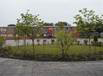
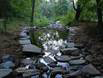
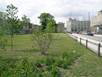
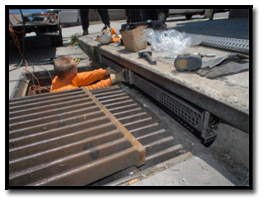
The following are potential projects and programs that will help us reach our restoration goal:
|
|
|
|
|
|
|
|
|
|
|
|
|
|
|
|
|
|
|
|
|
|
|
|

MS4 Restoration Plan Schedule 2014
Four public meetings will be held throughout the summer to share information and solicit ideas and input from people as to how we achieve our goal. The meetings are progressive in nature, meaning that they will build on the previous meeting and introduce new topics and information.
Meeting #1: Introduction
Meeting #3: Project Prioritization / Preliminary Costs
Meeting #4: Maintenance/Contingency Plans
A draft plan will be completed in October for review, with the final draft available in November.
|
May |
June |
July |
August |
September |
October |
November |
December |
|
Inventory/ Scheduling |
Public Planning Process |
Draft Restoration Plan completed |
Public notice + comment period |
Submit plan to MDE |
|||
|
Targeted stakeholder meetings |
Review by agencies / other City officials |
Comment by agencies / other City officials |
|||||
|
Initial meetings with Agencies |
Meetings with agencies (as needed format TBD) |
||||||
|
Public stakeholder meeting #1
|
Public stakeholder meeting #2
|
Public stakeholder meeting #3
|
Public stakeholder meeting #4
|
||||
|
Discussion with agencies role in MS4 Identify info needs and timeline |
Overview of the MS4 permit Presentation of topic areas and future mtgs Here is what we need to do: Work to date (CIP projects, other) |
Initial recomm’s Preliminary projects and programs Social / economic benefits |
Revised recomm’s Updated maps of projects and programs Incorporation of various agency CIP projects (DOT, Schools, etc) |
Plan outline w/ updated maps projects, and programs Maintenance options Contingency plans – milestones for adaptive management |
Provide briefings to Division Chiefs, Bureau Heads, Directors, Mayor, City Council, Finance, Planning Commission, and / or Sustainability Commission. |
Receive comments Finalize formatting, maps, and tables |
Incorporate comments Get final approval DPW and submit to MDE |
Click here for MS4 Meetings, Information and Annual Reports
For additional information, questions, or comments, please contact:
publicworks@cleanwaterbaltimore.org
– subject “MS4 Plan”
or call 410-396-0732